Sewing Pattern Font for Elegant Brand Design
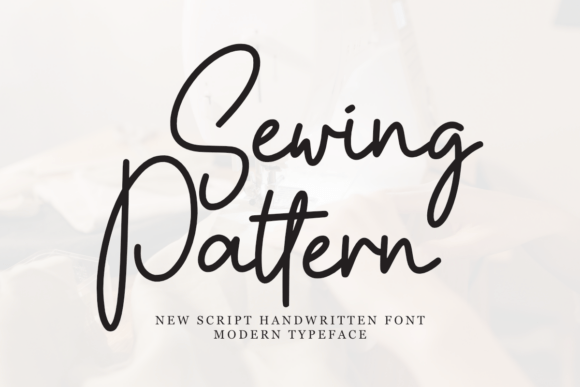
When I first started my small candle business, I spent hours perfecting the scent blends and sourcing eco-friendly wax, but my packaging felt flat. The labels were functional, yet they lacked the warmth and personality I wanted to convey to my customers. That changed when I discovered Sewing Pattern, a modern handwritten script font that brings a touch of elegance and warmth to any design. As a business owner, finding the right Fonts is often about more than just aesthetics; it is about communicating trust and care. This Script Handwritten typeface became the missing piece in my brand identity, transforming simple labels into memorable keepsakes.
Why Sewing Pattern Elevates Wedding Invitations and Event Stationery
Sewing Pattern is designed with smooth lines and flowing curves, making it an ideal choice for wedding invitations, nursery decor, and special event stationery. In the world of event planning, first impressions are everything. Couples and planners look for typography that feels personal and intimate, rather than corporate or stiff. By using this Script Handwritten style, you can create invitations that feel like they were penned by hand, adding a layer of emotional connection before the guest even opens the envelope. The elegance of the font ensures that the design remains sophisticated, while the handwritten nature keeps it approachable and warm. Whether you are designing save-the-dates, menu cards, or place settings, Sewing Pattern provides the visual consistency needed to tie all these elements together seamlessly.
Transforming Product Packaging with Sewing Pattern Script Fonts
For product-based businesses, packaging is your silent salesperson. I noticed a significant shift in customer engagement after updating my candle labels with Sewing Pattern. The font’s natural flow works exceptionally well for short phrases, product names, and taglines on packaging design. When used on a bakery box, a skincare label, or a boutique clothing tag, it adds a artisanal touch that mass-produced fonts simply cannot match. However, readability is key. While Sewing Pattern is beautiful, it is best suited for headlines and decorative accents rather than long paragraphs of text. Pairing it with a clean sans serif font for ingredient lists or instructions ensures that your packaging remains both stylish and functional. This balance helps customers quickly identify your brand while still being able to read essential information, enhancing the overall user experience.
Creating Consistent Social Media Graphics Using Sewing Pattern
In today’s digital landscape, your Instagram feed and Pinterest boards are extensions of your storefront. Using Sewing Pattern across your social media graphics helps build a recognizable brand identity. Whether you are creating quote cards, promotional banners, or story highlights, this Script Handwritten font adds a cohesive look that makes your content stand out in a crowded feed. The warmth of the typeface invites users to pause and engage, as it feels less like an advertisement and more like a personal note. For online shops, consistency is crucial. By sticking to a specific set of Fonts, including Sewing Pattern for headers and a complementary body font, you create a visual language that customers begin to associate with your brand’s values. This consistency builds trust and makes your business appear more professional and established.
Pairing Sewing Pattern with Modern Typography for Brand Identity
One of the most common questions I get from fellow entrepreneurs is how to mix fonts without creating visual chaos. Sewing Pattern pairs beautifully with a variety of other typefaces, allowing for versatile design options. For a modern, clean look, try combining it with a minimal sans serif font. This contrast highlights the elegance of the script while keeping the overall design grounded and easy to read. Alternatively, pairing it with a classic serif font can create a more traditional, editorial feel, perfect for luxury brands or high-end boutiques. The key is to let Sewing Pattern take center stage as the display font, while the secondary font supports it by handling the heavier lifting of information delivery. This hierarchy guides the viewer’s eye and ensures that your message is communicated clearly and effectively.
Practical Tips for Using Sewing Pattern in Commercial Projects
Before integrating Sewing Pattern into your client work or product line, it is important to review the technical details. Check the included file formats to ensure compatibility with your design software, whether you are using Adobe Illustrator, Photoshop, or Canva. Look for features like alternates and ligatures, which can add unique flair to your designs and prevent repetitive looks in longer words. Additionally, always verify the commercial font licensing terms. If you are selling physical products like mugs, t-shirts, or printed books, or if you are creating digital templates for resale, you need to ensure your license covers these uses. Understanding these details protects your business and ensures that your use of this premium font is both legal and ethical. By taking these steps, you can confidently use Sewing Pattern to enhance your brand visuals across all platforms.
Ultimately, choosing the right typography is one of the most impactful decisions a small business owner can make. Sewing Pattern offers more than just pretty letters; it provides a tool to express your brand’s personality and connect with your audience on a deeper level. From wedding invitations to product labels, its versatility and elegance make it a valuable asset in your design toolkit. By incorporating this Script Handwritten font into your branding strategy, you can create a cohesive, professional, and inviting visual identity that resonates with customers and sets your business apart.